Timber Rot: Causes, Prevention & Repair
Identifying wet rot, dry rot and fungal decay — when to repair, when to replace, and how to stop it spreading.
Read more

Wood preservation is what Preschem was founded on. Decades of CSIRO-rooted formulation, field-trialled across every Australian climate zone, going where rot, fungi and insect attack start — inside the timber.
Different problems need different products. The two questions that sort most of it: are you protecting sound timber or fixing timber that's already rotting, and can you reach the affected wood? Two safety checks first, then find your product.
No product can restore rotted timber's strength. If it's structural, a qualified professional — a registered builder, building surveyor or structural engineer — decides whether it can be treated or has to be replaced.
It stops decay spreading. It doesn't put back what's gone.
Several of these products control termites in the timber they treat — but a treatment is localised to the timber it's applied to. None of them stops a colony or protects a whole structure.
An active infestation needs a licensed pest controller to deal with the nest.
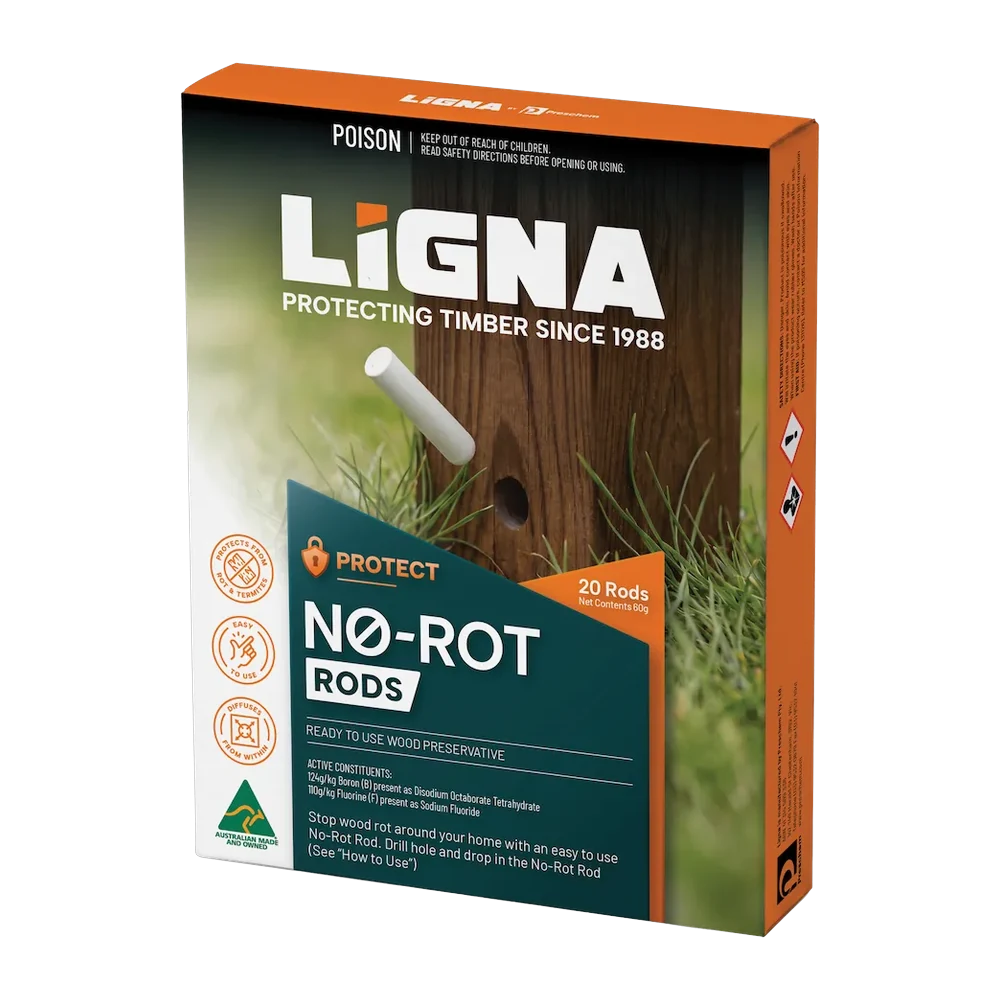
Protecting timber before it rots — especially the joints and end grain where it starts. Solid rods you drill in and leave, releasing slowly for years from the inside. Also the answer for rot you can't reach — a post set in concrete, or decay sealed inside a section.
View product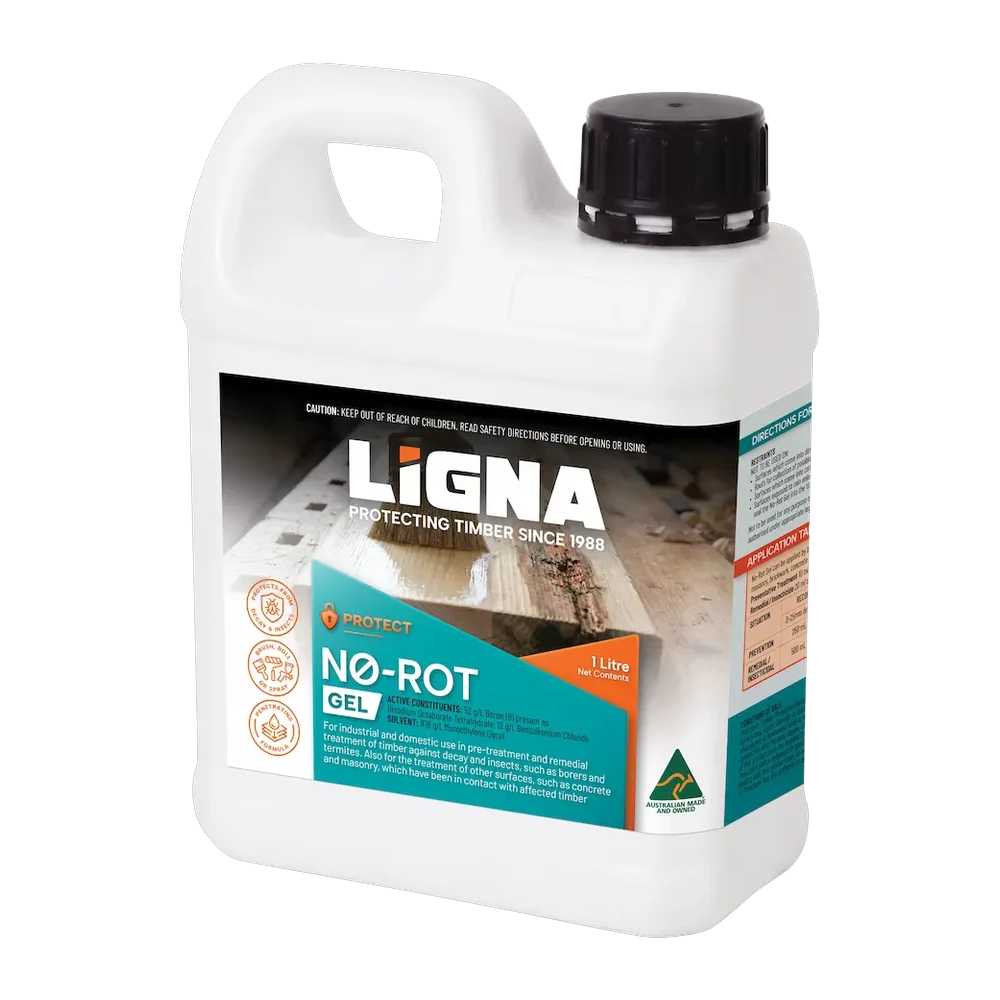
Above-ground timber that's already rotting, where you can reach the decay and will paint over it. A gel that diffuses into damp wood — works on wet and flood-affected timber. Not for ground contact — that's In-Ground Paste.
View product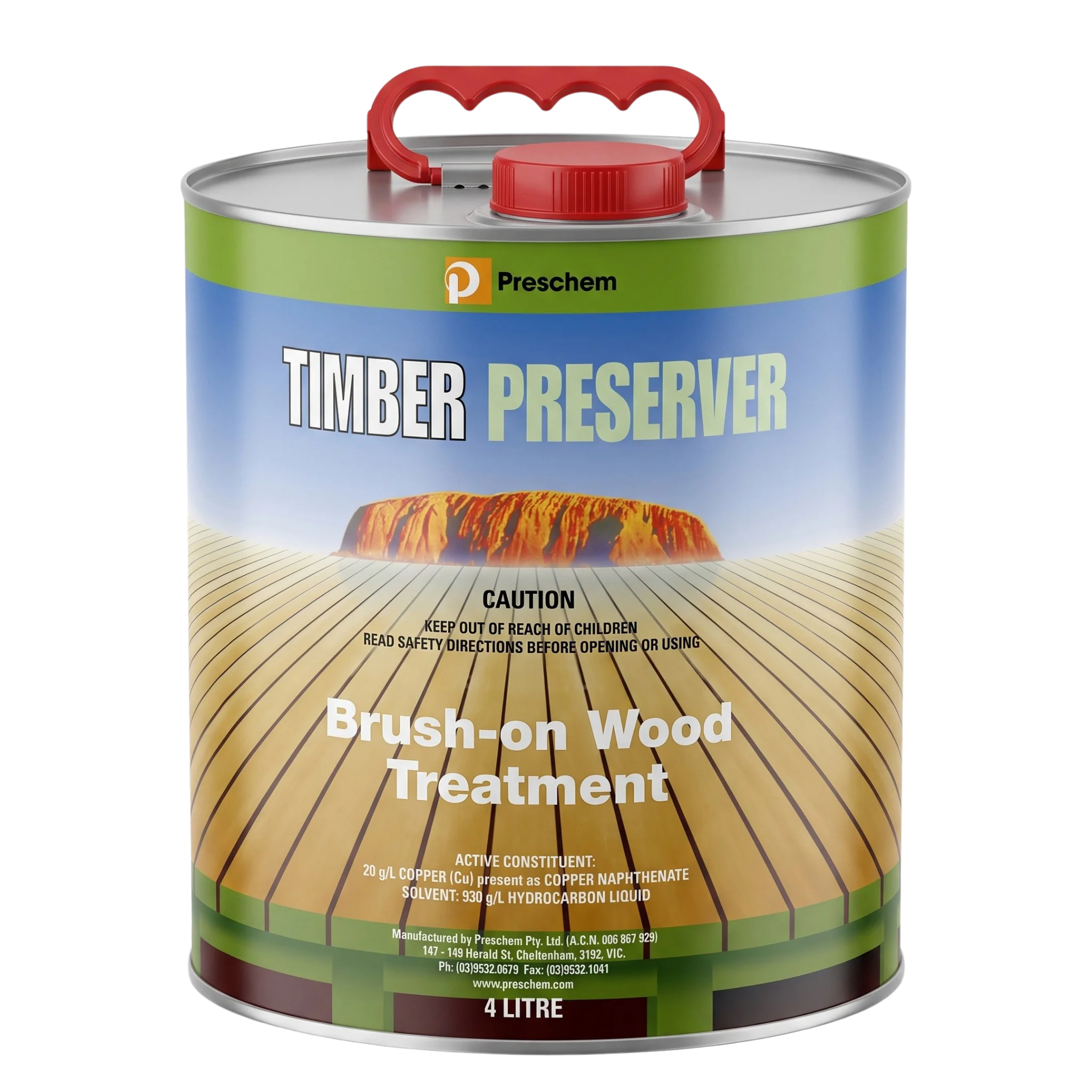
General above-ground exterior timber — the everyday choice. A lighter copper preservative that soaks into the wood. Decks, fences, landscape timber. Leaves a green tint that browns off. Step down in cost from Heavy Oil.
View product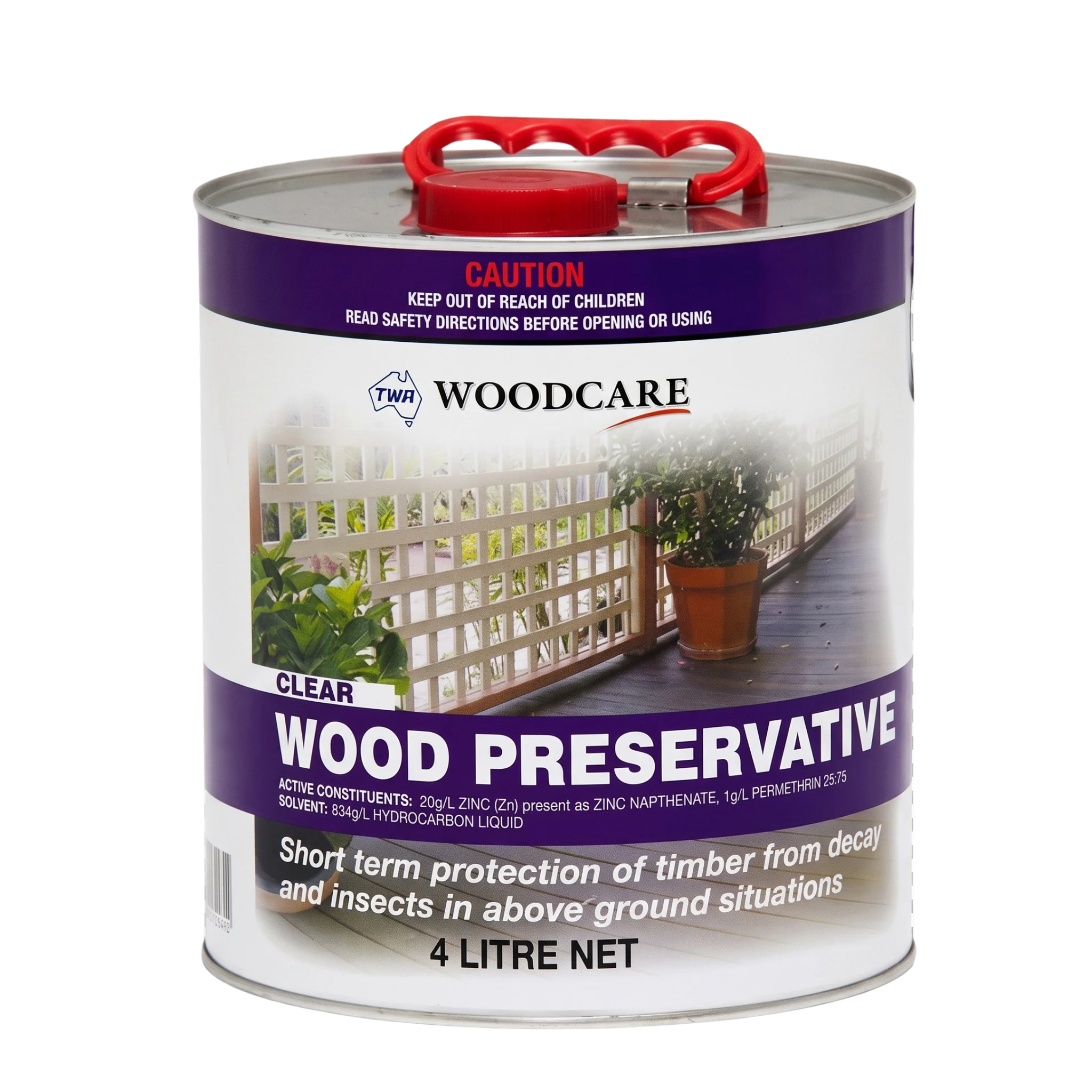
Borer, and anywhere you can't have a green tint. Stays clear — no copper staining — so it suits finished or visible timber. The go-to for borer in sealed or external timber.
View product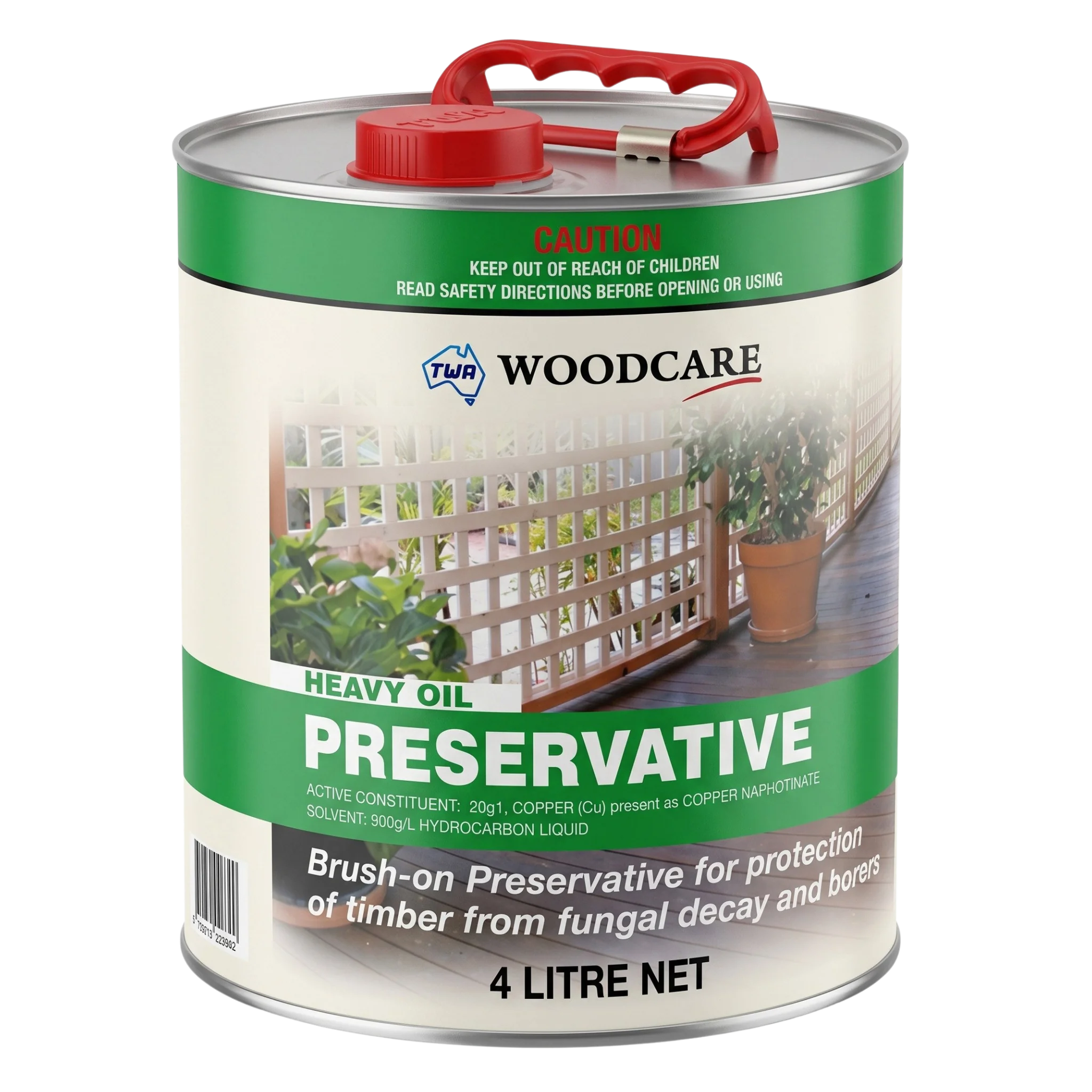
Weather-exposed structural timber people won't handle. A heavier oil that stays on the surface as a film — more waterproof and longer-lasting. Stays oily and stains skin, so it's for posts and bearers out in the weather, not handrails.
View product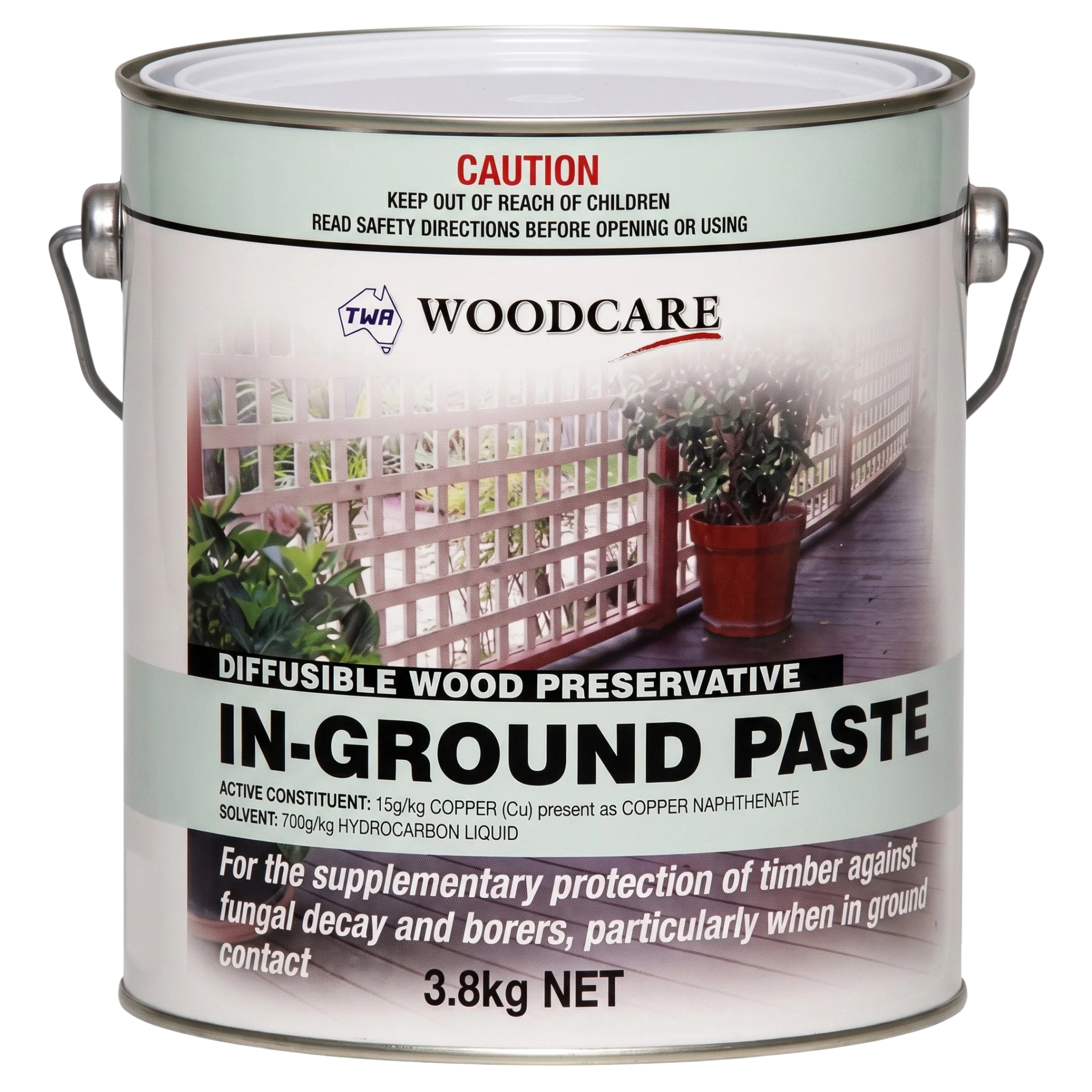
Timber at or below the groundline, set in soil. The highest copper load in the range, in a water-based paste — the only product here for ground contact. Field-tested to protect for over 10 years, the longest-lasting in the range.
View product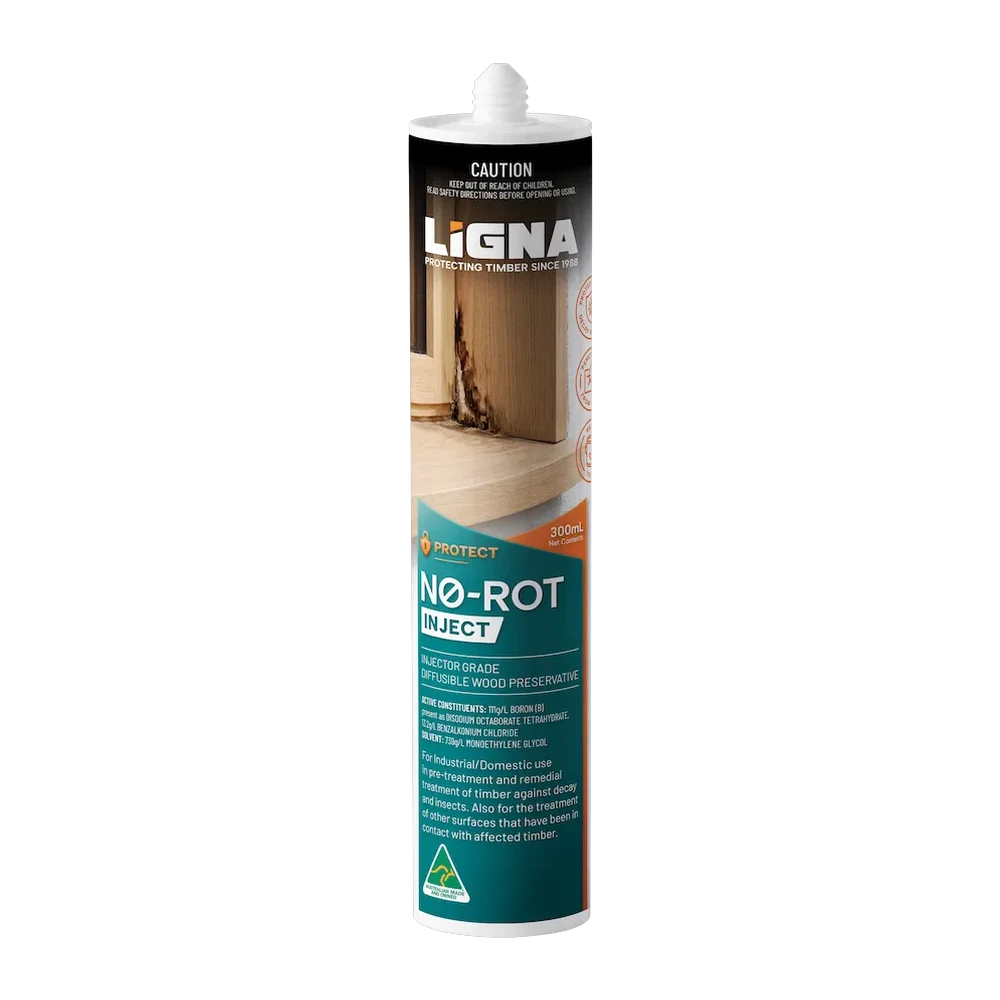
Deep protection inside large structural timbers. A high-strength ready-to-use gel in a cartridge — spread it, inject it into pre-drilled holes or bandage it. Wall studs, bearers around wet areas, joinery. Formerly No-Rot Gel Industrial / Injection Grade.
View productStanding power poles, and large-section posts needing a bigger rod. Groundline decay control for poles in service — and the heavy-duty option when a standard rod isn't sized for the job.
View product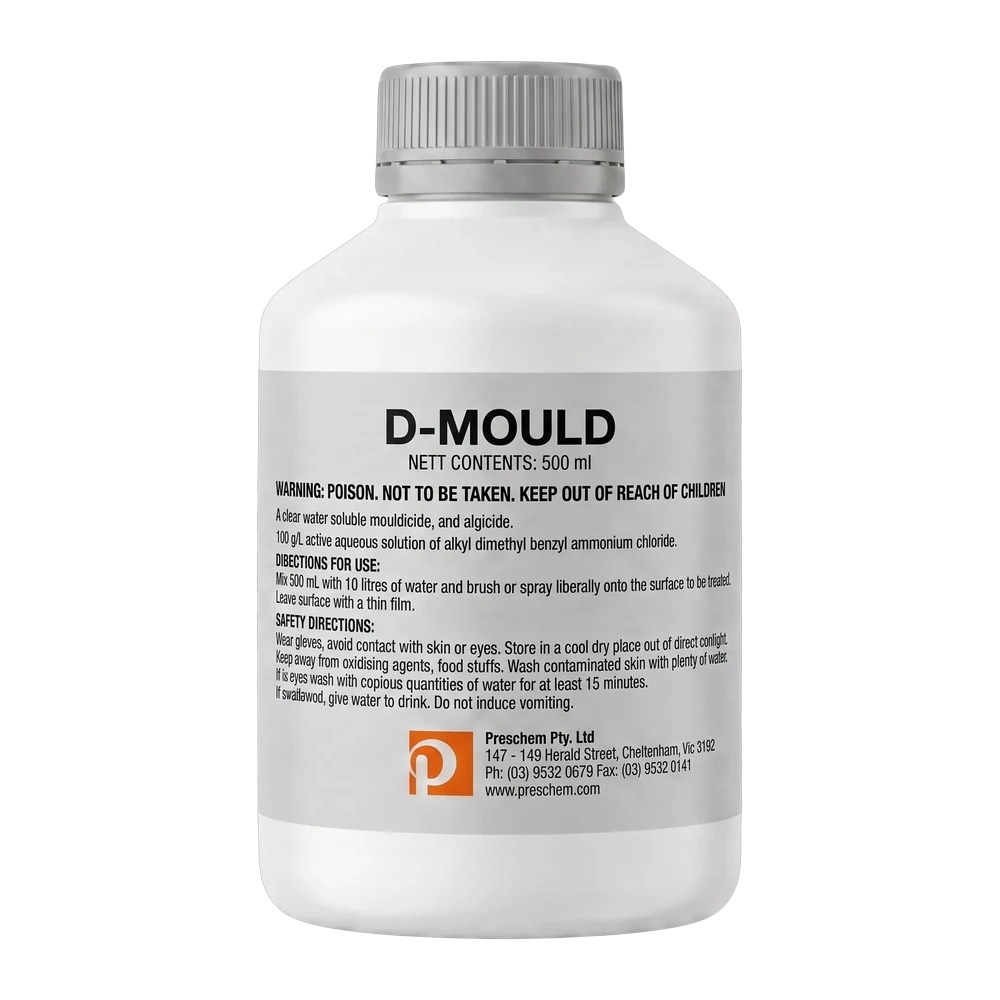
Surface and sub-surface mould on timber, masonry and render — the answer when the problem is mould, not decay.
View productStill not sure? Talk to someone who treats timber for a living. 03 9532 0679 →
Identifying wet rot, dry rot and fungal decay — when to repair, when to replace, and how to stop it spreading.
Read moreHazard classes, durability ratings and how to write a spec that survives value engineering.
Read moreReal-world numbers from 35 years of treated pole field trials with Australian utilities.
Read more