

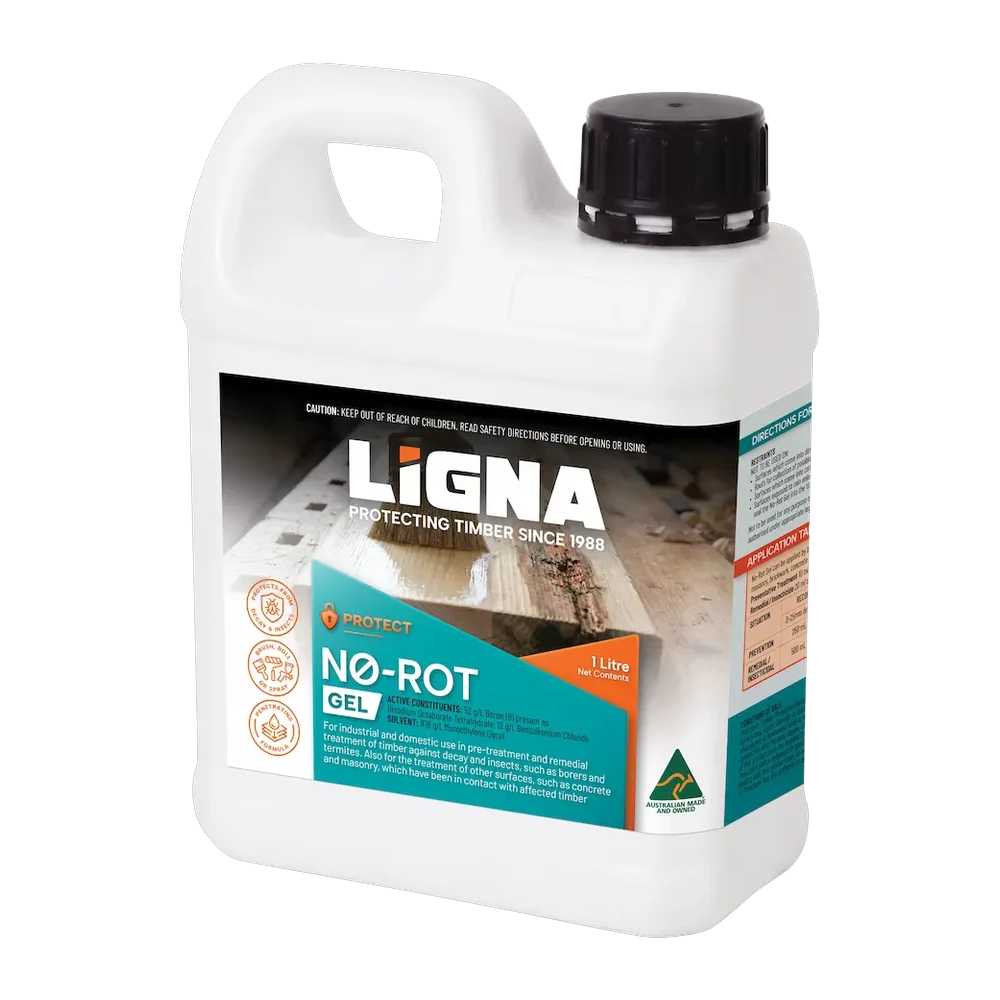
No-Rot Gel
Brush-on preservative that diffuses into timber and stops fungal decay spreading. Paintable. Works on damp wood.
- Above ground
- Paintable
- Works on damp timber
- Brush, roller or spray
- Not for ground contact
Where to get it
Find a stockist Australian made in Cheltenham, Victoria — since 1988
Not sure it's the right product?
Compare all preservatives → ·
03 9532 0679
Directions for use
Preparing the timber, then applying — as per the approved label
Before you start: if the timber is structural or load-bearing — veranda posts, bearers, joists, rafters — get a qualified professional to decide whether it can be treated or needs replacing. Preservative stops decay spreading; it can't restore lost strength.
Before you open the tin
- STRIP Get back to bare timber Strip or sand the painted surface back 300 mm in all directions from any visible decay, even if the rot looks localised.
- DIG Remove the decayed wood Dig the decay out carefully with a chisel until you reach sound wood.
- DEPTH Work out how deep to treat Measure the section, count the faces you can reach, and probe how far the decay went. That sets the dosage — see the table opposite.
Applying the gel
Always read the label before use.
- DAMP Wet very dry surfaces first Spraying the surface with water before treatment enhances penetration — this is necessary at the remedial/insecticidal rate on aged timbers with very dry surfaces. Apply the gel once the water has been absorbed.
- APPLY Apply the gel By brush, roller or spraying, at the rate in the application table below for the depth required.
- REPEAT Second coat — at high rates When using the high (remedial/insecticidal) rate, it may be necessary to apply via two coatings, 2–3 hours apart.
- SEAL Seal if exposed to rain Not to be used on surfaces exposed to rain unless a suitable protective finish is applied over the No-Rot Gel to seal it into the timber.
Application rate
Recommended rate per square metre, by depth of penetration required.
| Situation | 0–25 mm | 25–50 mm | 50–100 mm |
|---|---|---|---|
| Preventative — masonry, brickwork, concrete | 250 mL | 500 mL | 1 L |
| Remedial / insecticidal — timber, masonry, brickwork, concrete | 500 mL | 1 L | 2 L |
Gel rates: preventative 10 mL per 1000 cm³ · remedial/insecticidal 20 mL per 1000 cm³.
CAUTION · As per the approved label (APVMA 60197)
Safety & hazards
Signal word, restraints and first aid — from the approved label
As per the approved label. Always read the label before use.
Avoid contact with eyes and skin. When handling No-Rot Gel, wear protective clothing, gloves, eye protection and a vapour mask if spraying.
Restraints Not for food-contact surfaces, potable-water roofs, ground contact, or rain-exposed surfaces unless sealed. Tap for more
- Not to be used on surfaces in direct contact with foodstuffs
- Not to be used on roofs collecting potable water
- Not to be used on surfaces in contact with the ground
- Not to be used on surfaces exposed to rain unless sealed with a protective finish
First aid
Wash contaminated skin or eyes with copious quantities of water for 15 minutes. If ingested, give water to drink. Do not induce vomiting. Seek medical assistance and contact the Poisons Information Centre (13 11 26).
Full safety directions and first aid are on the product label and the Safety Data Sheet.
Where it goes
Reachable, paintable, above ground
No-Rot Gel is for decay you can get a brush to and will paint over — above-ground timber where you can expose the affected wood. Not for timber in ground contact; that's In-Ground Paste.
What makes it different
Why it works
Diffuses into the timber
Water-based, so it carries the actives into the wood, following the moisture the fungus needs — not just a surface film.
Works on damp timber
Including flood-affected structural timber. Most preservatives need dry wood — but decay doesn't wait for dry wood.
Paint over it
Oil or water-based paint. Outdoors it works as an undercoat and needs a topcoat over it.
Technical data
Specifications
Active constituents
Protects against
Rate, coverage & reapplication
Pack sizes
Poison schedule
APVMA registration
Storage & shelf life
Common questions
Will No-Rot Gel fix badly rotted timber?
Will it stop termites?
Can I paint over it?
Can I use it on wet or flood-affected timber?
You might also need
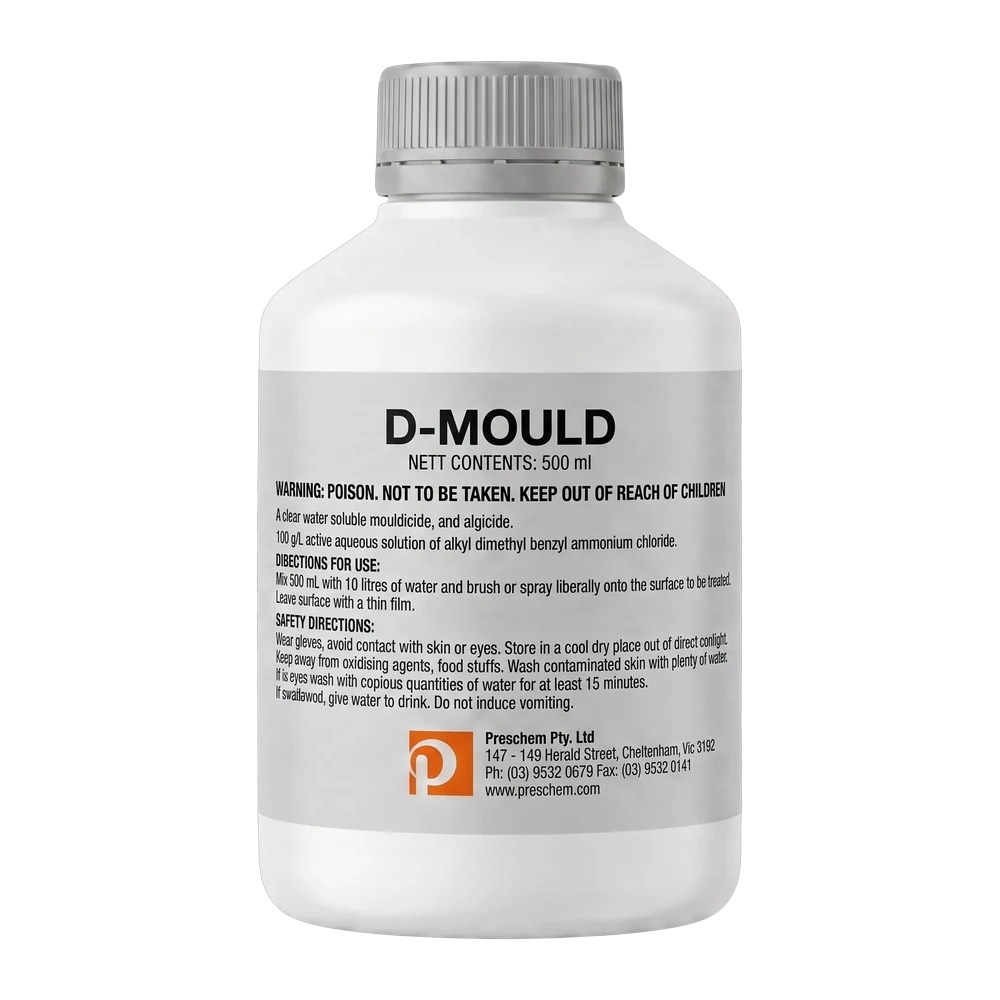
D-Mould
Surface and sub-surface mould treatment for timber, masonry and rendered surfaces.
View product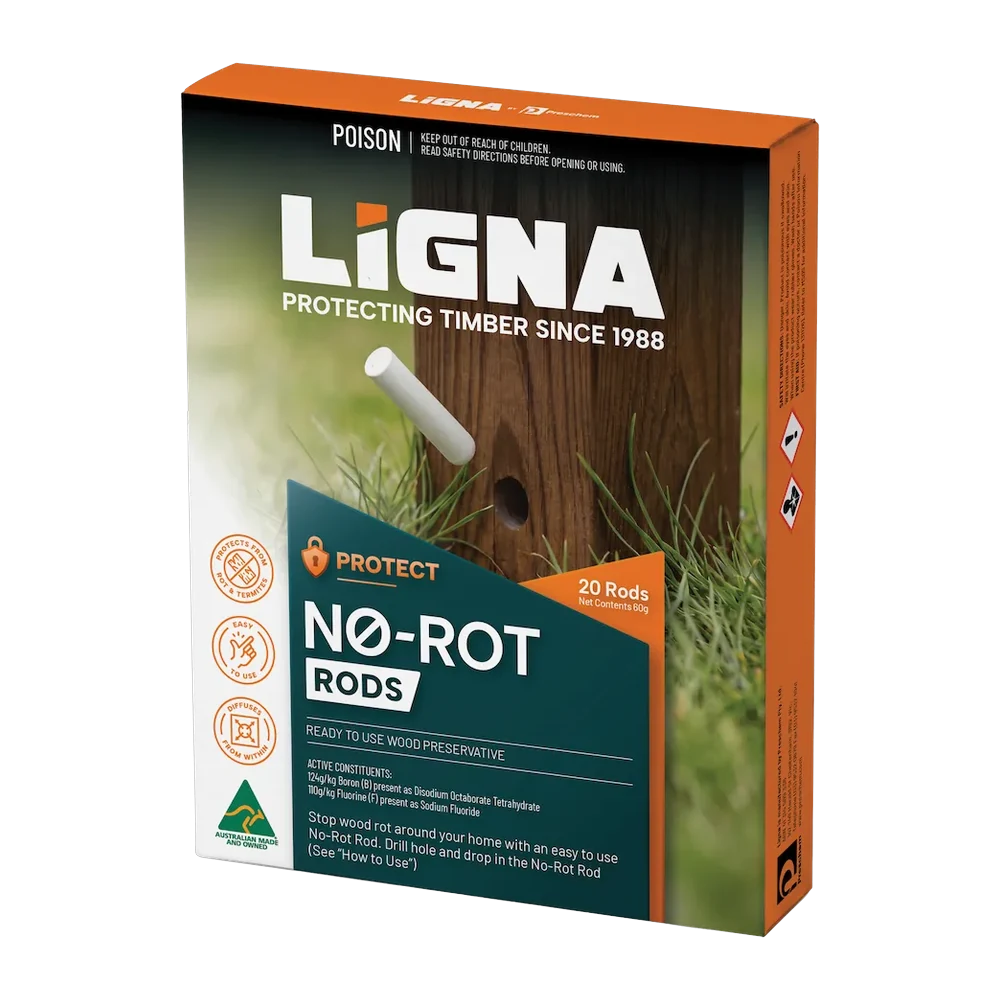
No-Rot Rods
Diffusible solid-rod preservative for decay you can't reach with a brush — sealed inside posts and poles.
View product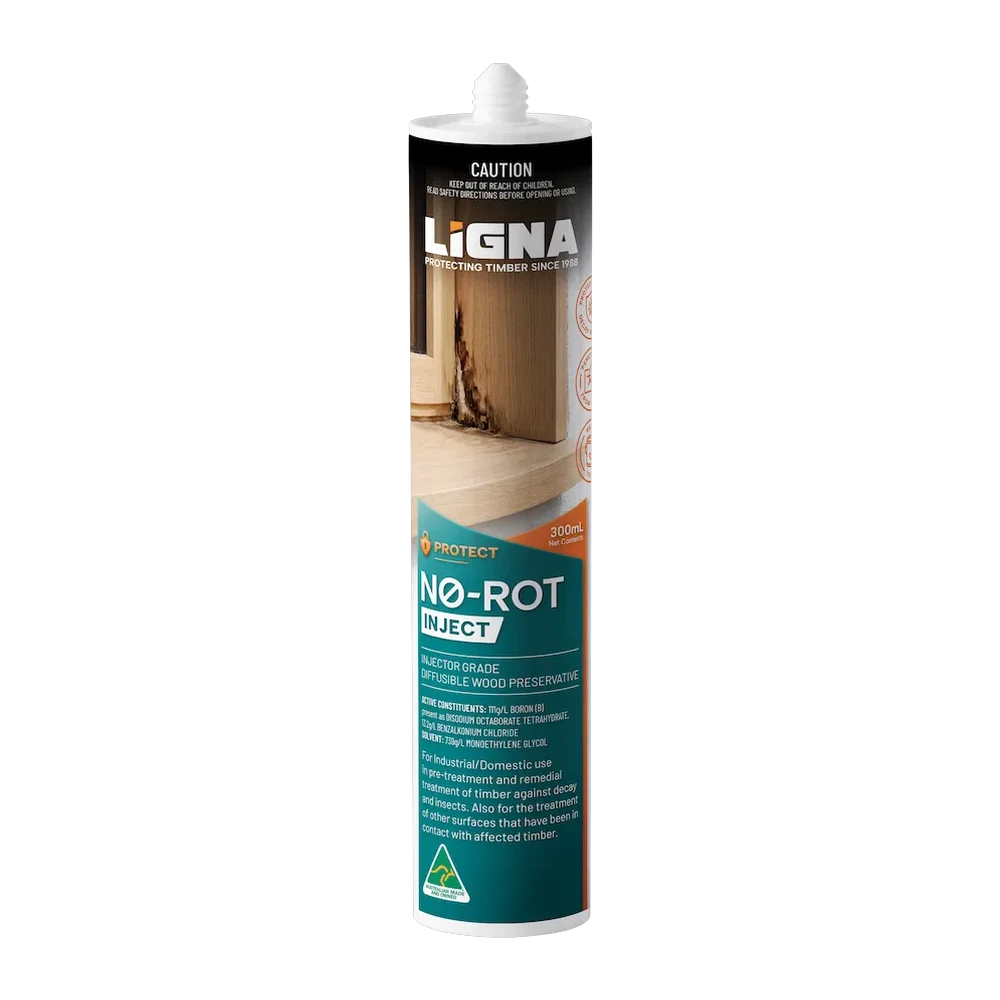
No-Rot Inject
More than double the strength, in a cartridge — spread, inject or bandage into timber you can't brush.
View productAustralian made in Cheltenham, Victoria since 1988 — founded by two CSIRO timber scientists. The whole story →