

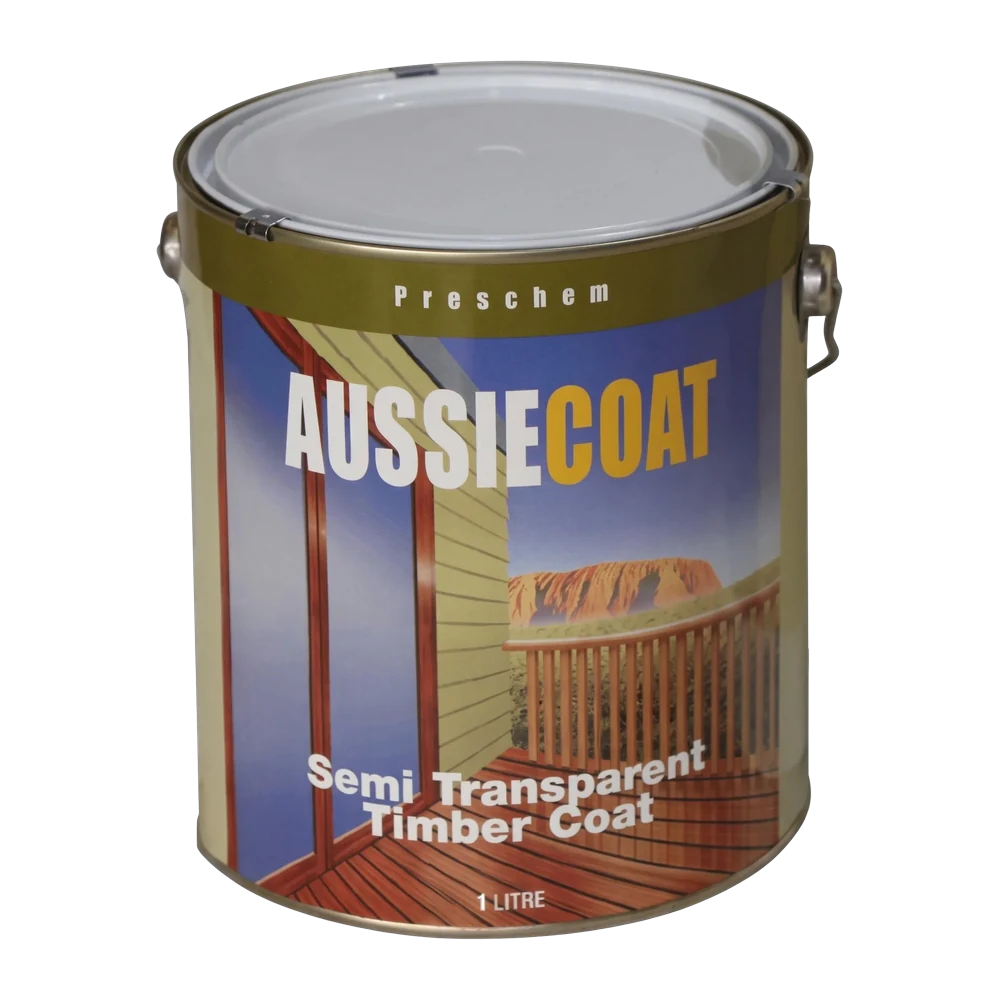
Aussie Coat
A water-based, semi-transparent satin coating for windows, doors and outdoor furniture. Lightly pigmented for UV, flexible enough to move with the timber, and the natural grain shows through.
- Water-based
- Semi-transparent satin
- Three coats
- Windows, doors & furniture
- Not for decking
Where to get it
Find a stockist Australian made in Cheltenham, Victoria — since 1988
Need advice?
03 9532 0679
Directions for use
Preparing the timber, then applying
Before you brush
- STRIP Strip old paint completely Previously painted surfaces must be stripped back to bare timber.
- CLEAN Clean and power-wash Apply an oxalic-acid timber cleaner such as Grey Deck Cleaner, then power-wash. The surface must end up clean, dry and free of dirt, grease and wax.
- STAIN Deal with tannin, iron and mould Sand stained timber, or treat mould with D-Mould, so the coat has a clean surface to adhere to.
Applying the coat
- DAMP First coat on damp timber Apply the first coat liberally on wet or damp timber — it helps the mouldicide in the product penetrate. Allow it to dry.
- TWO Two more liberal coats Allow 2 hours between coats and make sure the surface is touch-dry before recoating. Mix well before and during application.
- PAD Pad, brush or spray — not a roller Pad applicators and brushes; HVLP or airless sprayers on large vertical areas. Rollers are not recommended. Keep a wet edge to avoid lap marks.
- SKY Mind the weather Not above 32 °C, not below 8 °C, and not in direct sunlight — adhesion suffers. Don't apply late in the day, and allow 6 hours before rain.
Where it goes
Joinery, doors and furniture
Outdoor timbers such as windows, doors and outdoor furniture, on popular timbers — Cedar, Merbau, Cypress Pine and Australian hardwoods.
A coat, for the jobs that want one
Why it works
The oils in the range soak in and leave the surface bare. Aussie Coat is the other approach: a flexible acrylic film that seals the surface and shows the grain through a satin sheen — the right answer for joinery, doors and furniture.
Sees the timber
Slight pigmentation for UV protection, but on most timbers a transparent satin semi-gloss that lets the natural features show.
Moves with the timber
Flexible enough to allow normal timber movement without cracking.
Water clean-up
Water-based: application equipment cleans up in water, and there is no solvent smell indoors or on a verandah.
Specifications
Specifications
- Type
- Water-based semi-transparent acrylic coating
- Finish
- Satin semi-gloss, lightly pigmented
- Coats
- Three — first on damp timber, 2 hours between coats
- Coverage
- 12–14 m²/L on dressed timber, 6–8 m²/L on rough sawn
- Recoat
- Assess every 18 months; power-wash and apply at least 2 coats before it breaks down
- Clean-up
- Water
- Pack sizes
- 1 L, 4 L and 10 L
- Made in
- Australia
Common questions
Can I use it on my deck?
Why the first coat on damp timber?
How do I maintain it?
Why not a roller?
Worth reading first
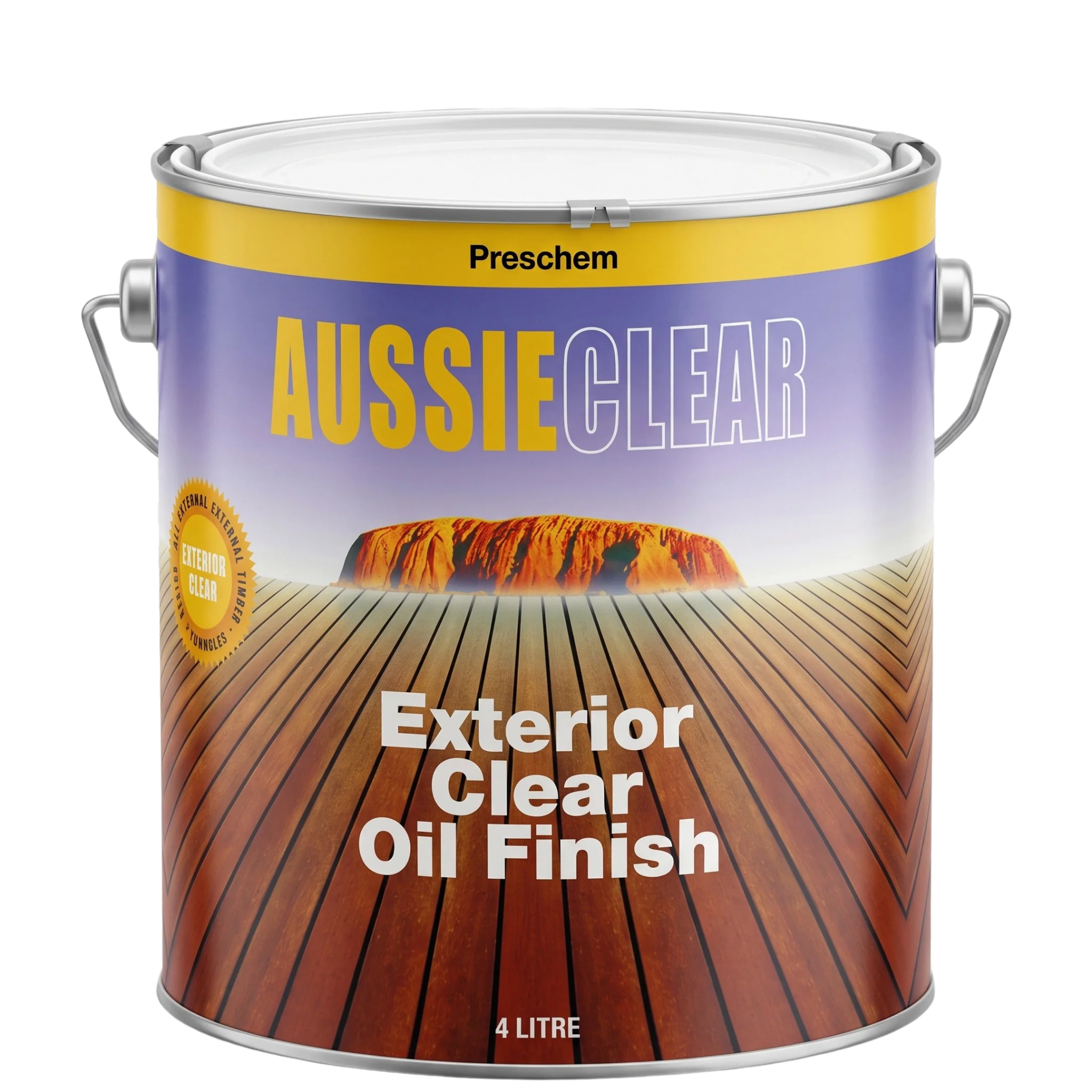
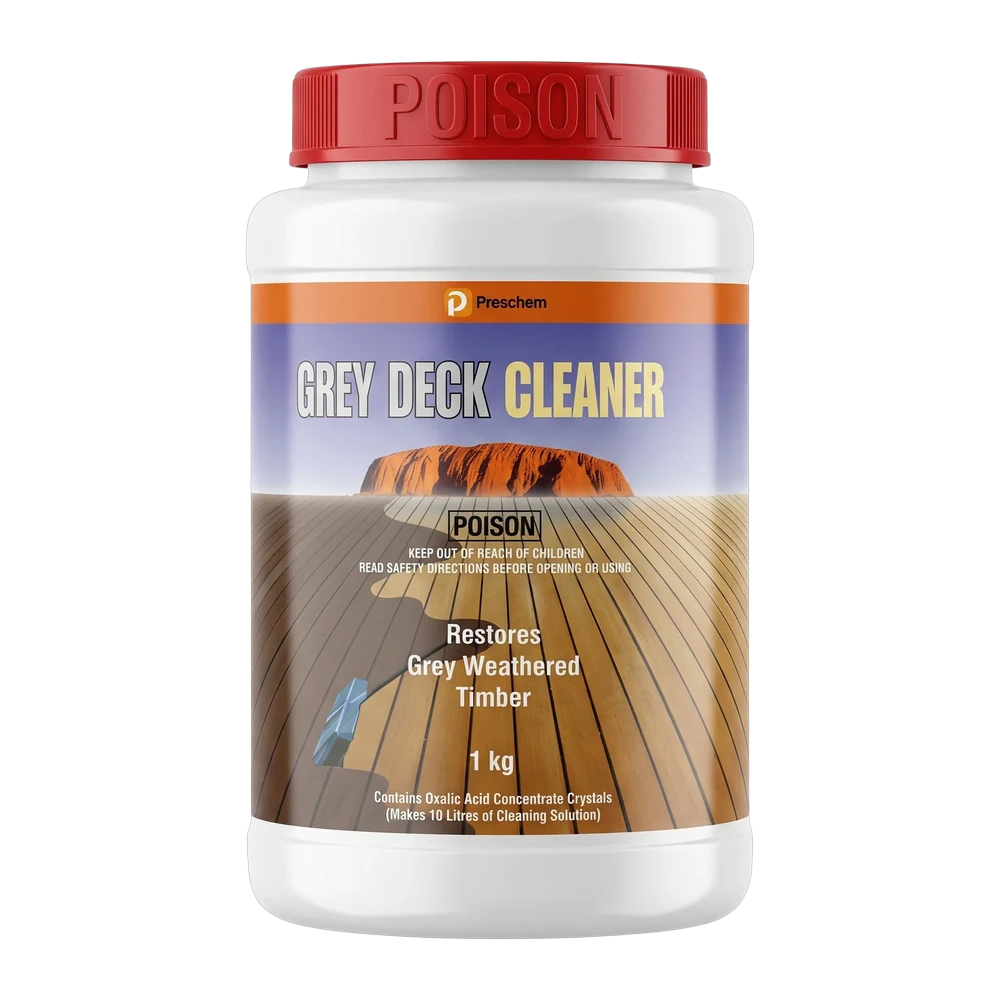
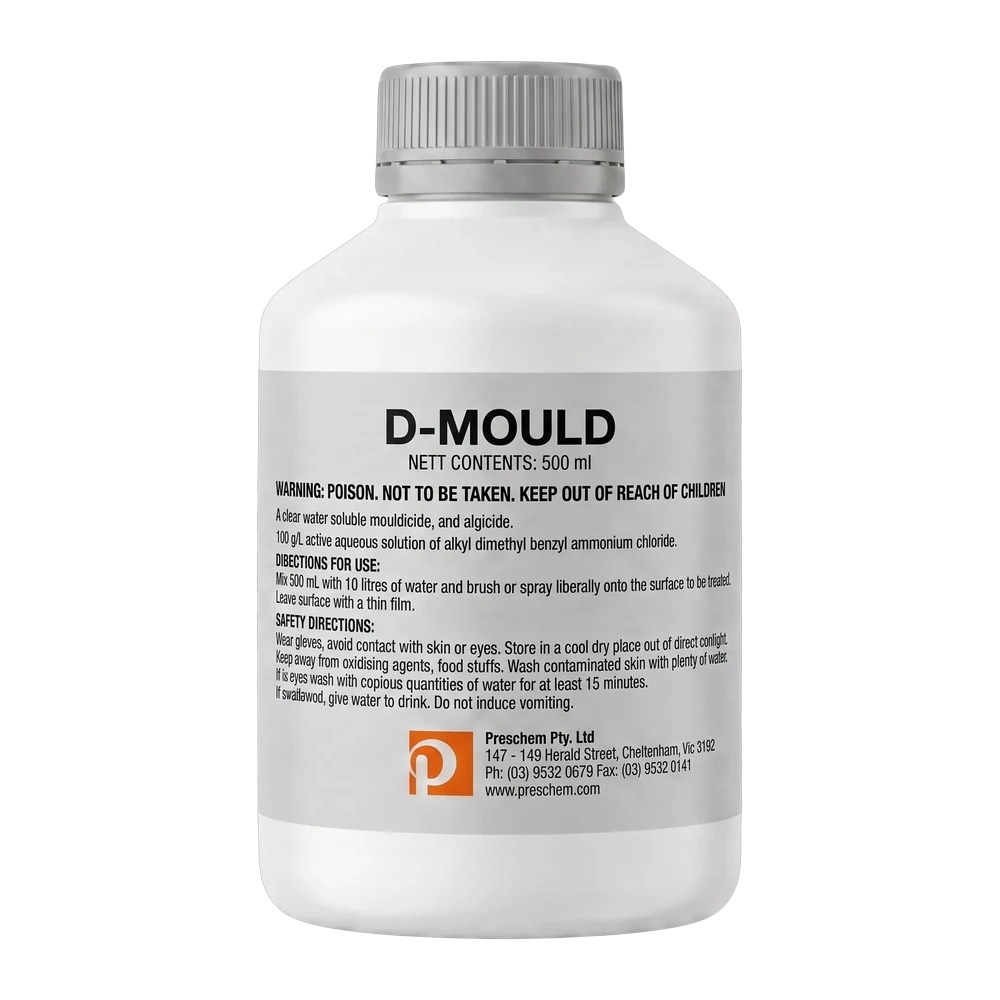
Australian made in Cheltenham, Victoria since 1988 — founded by two CSIRO timber scientists. The whole story →